

Boat Flag Pole Cost: What Determines the Right Investment?
The cheapest option can become the wrong investment if the pole doesn’t fit its mount or suit the way you use your boat. That’s why boat flag pole cost involves more than the price on a product listing. A low upfront price may look appealing, but compatibility and construction matter when hardware is exposed to marine conditions.
If you’ve found it difficult to compare listings, the product details may explain why. A pole sold with one mounting system isn’t directly comparable to a pole designed for another, and small differences in fit can affect installation. This guide explains what influences boat flag pole cost, how to compare mounts for your boat, and which details to confirm before ordering.
We’ll look at materials, pole design, and mounting hardware, then consider when custom-engineered hardware may be worth evaluating. The aim is to help you compare options against your boat’s mounting point and intended use, rather than judging by price alone.
Table of Contents
Boat Flag Pole Cost: What Are You Actually Paying For?
The boat flag pole cost shown on a listing applies to a specific product, not necessarily a complete setup. It may be for the pole alone, a pole and bracket, or a set with additional hardware. Fit matters as well: the pole and mount need to suit your boat’s mounting point and intended use. Two listings with similar descriptions can therefore represent different purchases.
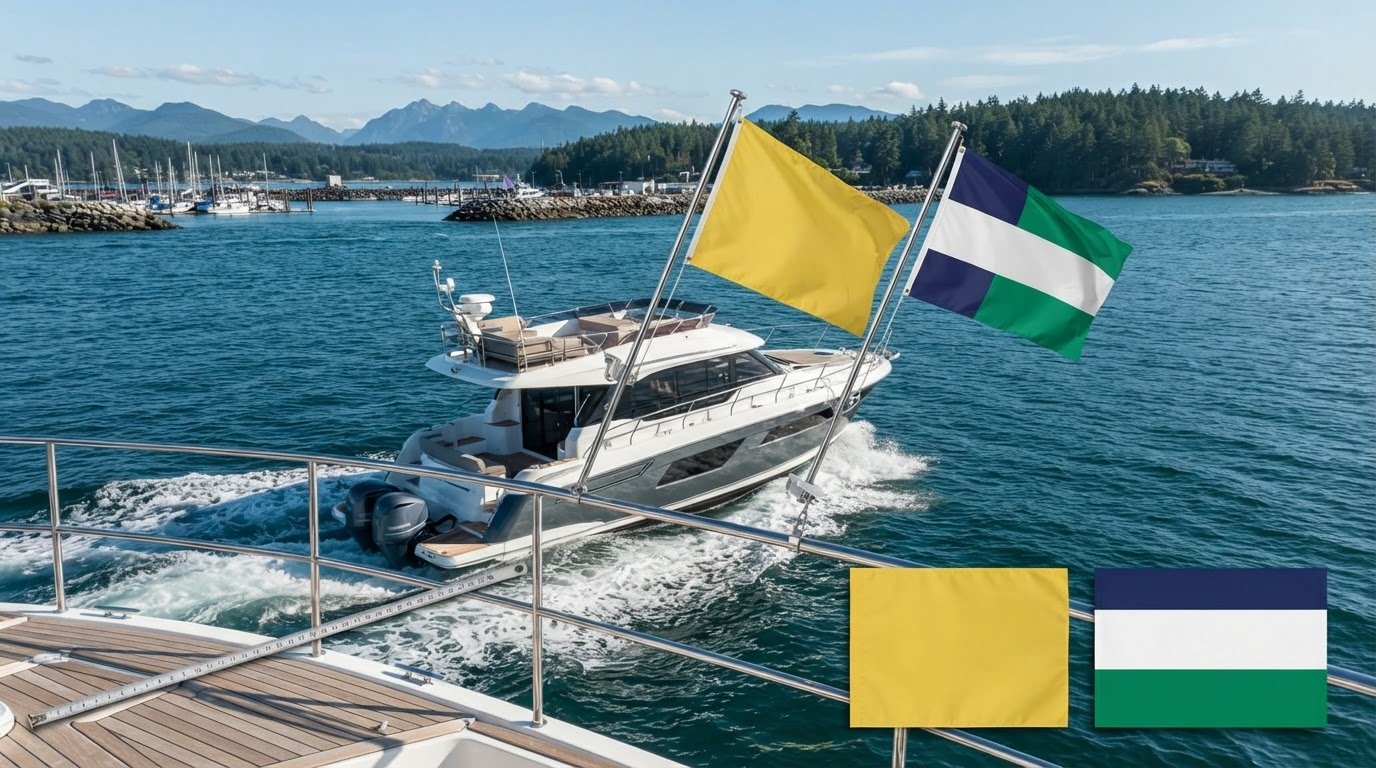
Start by considering the flag’s purpose and where it will fly. Boats may carry different types of flags, such as ensigns or courtesy flags. Rules and regulations for the flying of flags offers a useful overview of maritime flags and etiquette. Knowing what you plan to display can help you identify the pole setup to compare. This guide focuses on the factors that shape cost and value, rather than suggesting one universal price range.
Why two boat flag pole listings may not be comparable
Listings may describe different product configurations. Before comparing prices, check whether each one includes:
The flag pole, including its listed length and diameter
A bracket or mount, and the mounting style
Fasteners or other installation hardware
A flag, or whether it must be purchased separately
Compare mounts only when they serve the same location on your boat. A rail mount and a transom mount solve different placement needs, so one isn’t a direct substitute for the other. Vessel type, mounting location, dimensions, and seller-stated compatibility all affect whether a listing is a realistic fit.
Upfront price versus the complete hardware decision
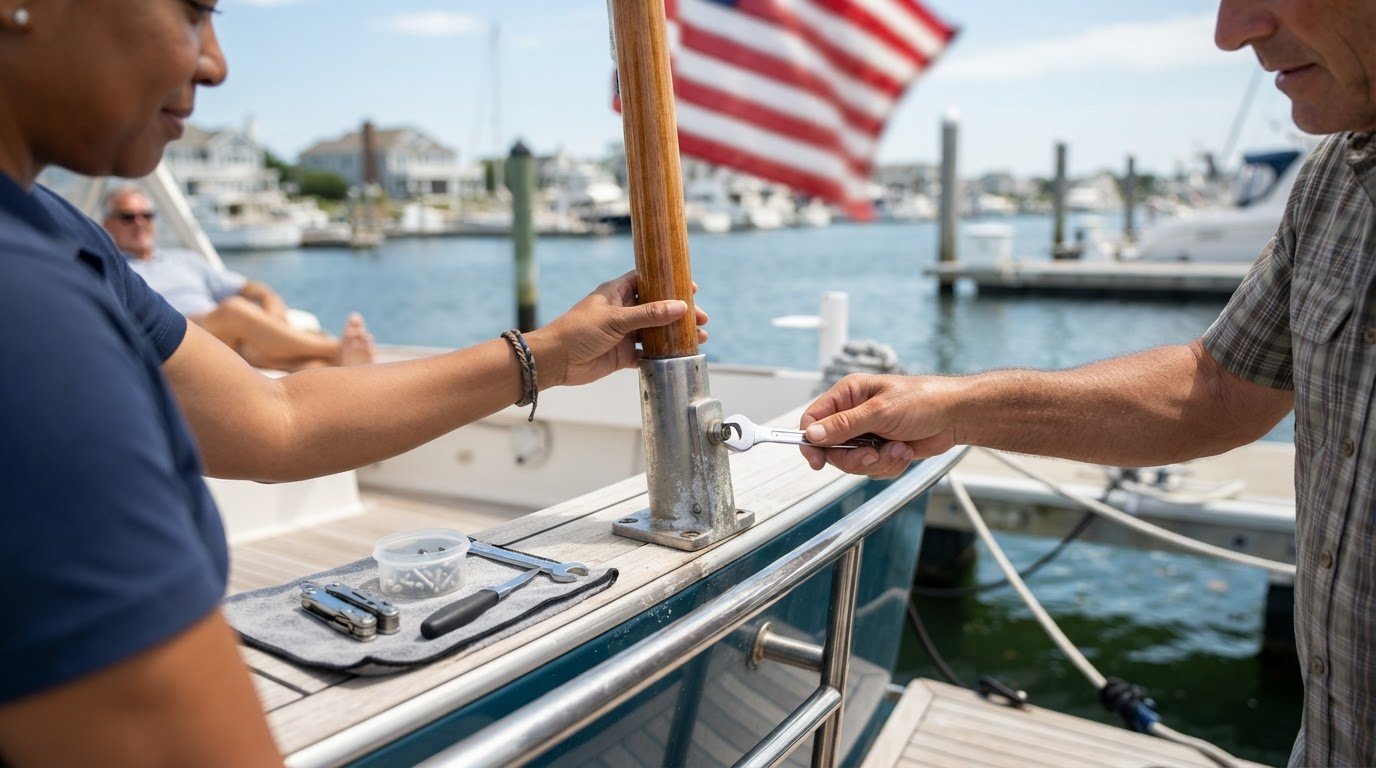
The listed product price may not represent the full amount you’ll pay. Check the seller’s checkout details for shipping and tax, and confirm whether necessary parts are sold separately. Don’t assume a pole includes a bracket, fasteners, or flag unless the listing says so. Installation arrangements also vary by seller and buyer. Tower Flags sells flag poles and brackets but does not install hardware, so buyers should account for their own installation arrangements.
A pole-only price covers the pole. A complete mounting solution must also account for the bracket and any other required components. To compare accurately, identify what each listing includes, then assess whether it fits your boat and intended use. The following sections cover the product and mounting details that can affect your decision.
Which Factors Drive Boat Flag Pole Cost?
Boat flag pole cost depends on the full configuration, not just the pole’s material. Construction, dimensions, intended flag size, mounting style, compatibility, and included components all affect what you’re comparing. A lower-priced listing may suit your needs, but only if its specifications match your boat and how you plan to use it.
The main factors to compare are material, construction, pole dimensions, mount type and fit, and the components included in the listing. Use those details to compare equivalent setups rather than relying on price alone.
Materials, dimensions, and marine exposure
Check the material and construction details stated for each product. Don’t assume that two poles described as marine hardware use the same materials or are built for the same conditions. For broader context on boat construction and safety standards, consult the ABYC standards resources. A general reference does not prove that a particular pole or bracket meets a specific standard.
Length and diameter also affect what the setup needs. A larger flag may call for a pole suited to its dimensions, while a longer pole can place different demands on the mounting point. Check the seller’s flag-size guidance and pole measurements instead of choosing by appearance alone.
Saltwater, sun exposure, and repeated use are practical considerations when assessing durability. They can help you decide which product details matter for your boating conditions, but they don’t establish a guaranteed service life. Look for clear specifications and care information, and compare products with similar details.
Mount type, fit, and included components
The mount you need depends on where the pole will sit and how the hardware attaches. Rail, transom, rod-holder, and tower mounts are distinct categories, not interchangeable versions of one bracket. A mount made for one location may not suit another, even on a similar vessel.
Identify your mounting point and compare its dimensions with the product’s stated requirements. Confirm vessel compatibility, the attachment method, and whether the listing includes the pole, bracket, fasteners, or other necessary parts. If accessories are sold separately, account for them when comparing the full setup.
If your setup calls for a specific fit, consider reviewing custom marine flag poles and brackets. Tower Flags designs and manufactures custom flag poles and brackets for boat owners. Confirm current product specifications and fit details before ordering.
Boat Flag Pole Mounts Compared: Where Does the Cost Difference Come From?
A mount’s cost reflects more than its label. Attachment method, mounting location, required hardware, and fit with your boat all shape the comparison. A rail mount and a transom mount, for example, serve different locations, so their listed prices don’t tell you which is the better choice. Start with where you intend to fly the flag, then compare products designed for that setup.
Rail, transom, and rod-holder mounting options
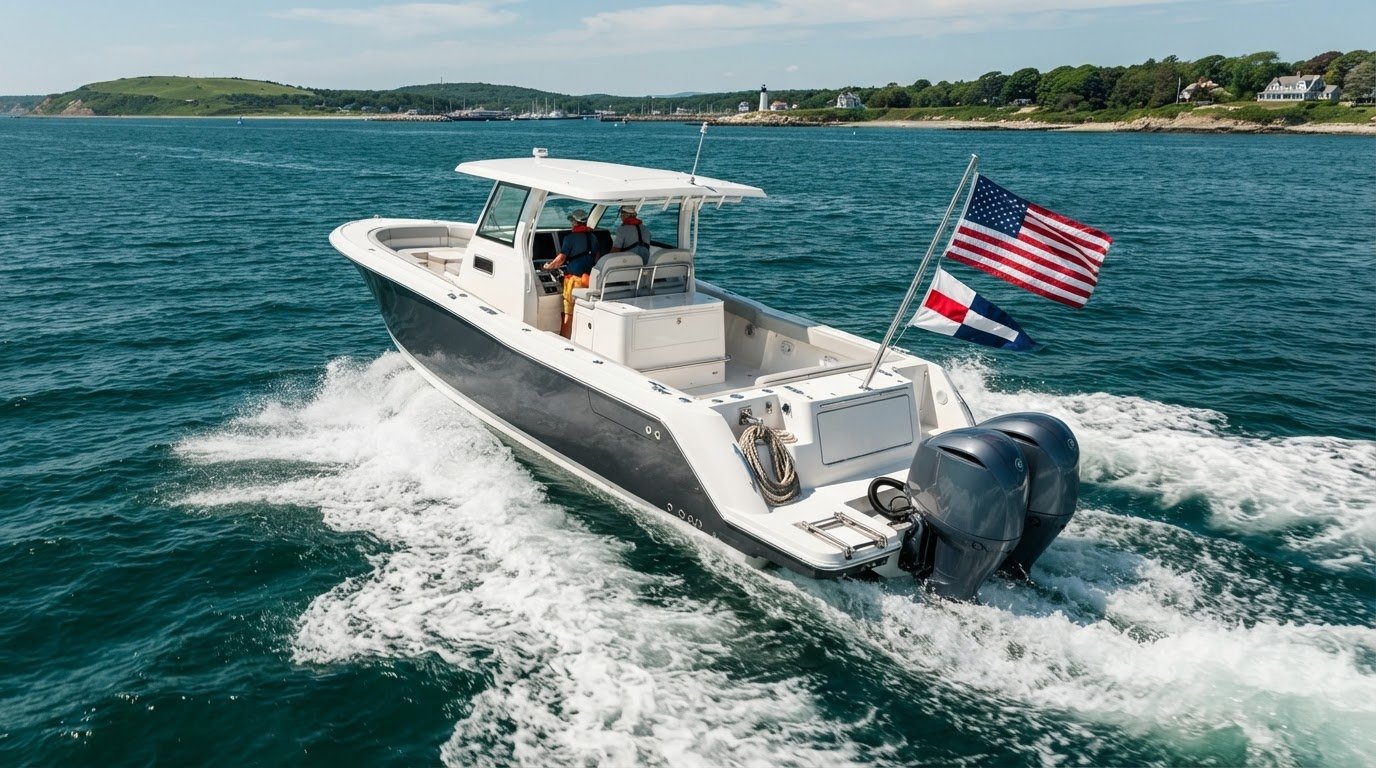
These mount types differ by the part of the boat they attach to, not by a universal hierarchy of value. A rail mount depends on the rail, a transom option on the stern mounting area, and a rod-holder mount on an existing fitting. Identify the location first, then compare dimensions and included parts for products designed to use it. For more criteria to consider, see this custom boat flag bracket guide.
Tower mounts and custom-fit hardware
Tower shapes and attachment points can vary, making measurements and mounting details especially important. A listing that doesn’t explain how it attaches may leave essential fit questions unanswered. Tower Flags designs and manufactures custom flag poles and brackets for boat owners, but doesn’t sell universal-fit brackets or repair towers. For tower-specific performance considerations, consult the high-speed wakeboard tower flag mount guide.
For a meaningful boat flag pole cost comparison, compare options that fit the same location and include similar components. Confirm your vessel’s mounting requirements first, then weigh the hardware and fit details each listing provides.
How to Evaluate a Boat Flag Pole Before You Buy
A quick fit check can prevent a low listed price from leading to the wrong purchase. Gather details about your boat and mounting point, then compare them with product specifications. That gives you a sound basis for evaluating boat flag pole cost alongside fit, construction, and intended use.
A five-step fit and specification check
1. Identify the boat and mounting point. Note the boat model, where you plan to place the flag, and any existing rail, transom fitting, rod holder, or tower attachment. The location determines which mount category to consider.
2. Measure the attachment area. Record the dimensions and shape of the mounting point, including the relevant diameter or width. Compare your measurements with the seller’s specifications rather than relying on a general product description.
3. Check the pole dimensions. Confirm the listed pole length and diameter. Consider the flag size you intend to fly and look for seller guidance that connects flag and pole dimensions.
4. Confirm what the listing includes. Check whether the price covers the pole, bracket, fasteners, and flag, or whether any of these are sold separately. Don’t assume a component pictured with the product is included.
5. Verify compatibility and use. Read the seller-stated vessel or mount compatibility details. If a measurement or included part is unclear, ask the seller before ordering. Consider how often and under what conditions you expect to use the setup.
Compare value without relying on a low price alone
Once you’ve confirmed the fit, compare equivalent configurations. A pole-only listing isn’t a fair price comparison with a setup that includes a bracket and fasteners. Review the stated materials and construction, mounting requirements, and whether the product suits your boat’s exposure to sun, saltwater, and repeated use. These factors help you judge suitability, but they don’t establish a guaranteed lifespan or prove that a higher-priced option will always last longer.
For more context on materials and performance considerations, read this marine flag pole durability guide. Use it to frame questions about your needs, then check the specifications for the specific product you’re considering.
If your measurements point to a particular mounting requirement, explore custom boat flag poles and brackets from Tower Flags. The company designs and manufactures custom flag hardware for boat owners. Confirm product details and fit before ordering.
Custom Boat Flag Pole Hardware: When Is the Investment the Right Fit?
A standard listing may be a practical choice when its mounting style, dimensions, included components, and seller-stated compatibility match your boat. If those details line up, compare equivalent setups and choose based on your intended use and the product specifications, not the lowest listed price alone.
Custom-engineered hardware is worth investigating when the mounting point is unusual, your boat’s configuration doesn’t match the options described in standard listings, or fit details remain uncertain. It’s a fit-focused alternative, not a promise of lower boat flag pole cost or longer service life. The right choice depends on your vessel’s confirmed requirements and the hardware specifications.
When custom-engineered hardware deserves consideration
Before exploring a custom option, gather the boat model, intended mounting location, existing hardware details, and measurements of the attachment point. Also note the pole dimensions and flag size you’re considering. These details help clarify what the mounting solution needs to accommodate. Don’t assume compatibility from a general description. Confirm that the product suits your vessel and mounting point.
Tower Flags designs and manufactures custom flag poles and brackets for boat owners. Its focus on custom marine hardware makes it an option to consider when fit requirements need closer attention. That doesn’t establish that a particular product will fit your boat, so confirm compatibility using current product information before ordering.
What to confirm before ordering from Tower Flags
Review the current product listing for dimensions, materials, included components, mounting details, and stated compatibility. Check the live price there as well, since product details and pricing should be confirmed directly rather than assumed from a general cost comparison. If the fit remains unclear, ask Tower Flags about your specific boat and mounting point, and provide the measurements you gathered.
Compare the confirmed setup with other options designed for the same location and including similar components. That gives you a more useful basis for weighing fit, construction, intended use, and upfront price. Custom engineering is most relevant when it addresses a defined fit requirement, not simply because it sounds more specialized.
Ready to review a fit-focused option? Explore custom boat flag poles and brackets and check the current specifications before choosing.
Choose Hardware That Fits Your Boat and Your Plans
The right boat flag pole cost is the price of hardware that suits your mounting point and intended use, not simply the lowest figure on a listing. Compare similar configurations, check pole and mount dimensions, and confirm which components are included. Those details help you decide whether a standard option fits or your setup needs closer attention.
Tower Flags designs and manufactures custom marine flag hardware, including flag poles and brackets, which customers can order through its online store. Review current product listings for specifications, included components, compatibility information, and pricing before deciding.
Explore custom boat flag poles and brackets to compare options for your setup. Gather your measurements and check the product details before choosing hardware for your boat.
Frequently Asked Questions
How much does a boat flag pole cost?
There isn’t one price that applies to every boat flag pole. Boat flag pole cost depends on what’s being sold: a pole alone, a pole with a bracket, or a setup with additional components. Mount type, dimensions, and product specifications also affect the comparison. Check current listings for live pricing, then confirm what’s included and whether the hardware matches your boat before deciding.
What affects the cost of a marine flag pole?
Material and construction, pole length and diameter, mounting style, and included components can all affect a marine flag pole’s listed cost. Intended flag size and vessel fit matter too, since the pole and mount need to suit the planned setup. Consider your exposure to saltwater, sun, and repeated use when reviewing specifications, but don’t treat general material descriptions as proof of a particular product’s lifespan.
Are custom boat flag poles more expensive than standard ones?
Not necessarily. Custom and standard options can differ in construction, dimensions, mounting requirements, and included parts, so compare products with similar specifications before drawing a price conclusion. Custom engineering may be worth considering when a boat has a specific mounting point or fit requirement that standard listings don’t address. It isn’t automatically less expensive or longer-lasting. Confirm product details and compatibility for your vessel before ordering.
Is the mounting bracket included with a boat flag pole?
Not always. Some listings are for a pole alone, while others may include a bracket or additional hardware. Read the product description and included-components list carefully. Check whether fasteners and the flag are included or sold separately, and don’t assume a component shown in a product photo comes with the item. If the listing is unclear, confirm the package contents with the seller before purchase.
What boat flag mount should I compare when checking prices?
Compare the mount designed for the location you’ll use: rail, transom, rod holder, or tower. These are distinct hardware categories, not interchangeable options. Identify your mounting point and check its dimensions, shape, and existing fittings against the listing’s specifications. Then compare products for that same location and note whether each includes a pole, fasteners, or other parts. This keeps the price comparison relevant to your boat.
How can I tell whether a boat flag pole is worth the cost?
Judge value by fit, construction, intended use, and included components, not price alone. Confirm that the mount matches your boat’s attachment point, the pole dimensions suit your planned flag, and the listing clearly states what comes with it. Compare equivalent configurations and check current seller specifications. A higher price doesn’t guarantee a better fit or longer service life, so base your decision on verifiable product details.
Comments