

Boat upgrades under $500 for comfort and resale value
The best boat upgrades for under $500 focus on everyday comfort and function, such as adding cup holders or improving cabin and deck lighting. These practical changes can make time aboard more comfortable, but upgrades shouldn’t be treated as guaranteed resale gains: boat owners are unlikely to recover all their spending when they sell.
It makes sense to look for improvements that solve an annoyance without taking on a major project. This guide explains how cup holders can improve comfort, what to weigh when choosing upgrades for resale appeal, and how costs depend on the materials and work involved. You’ll also find ideas for manageable do-it-yourself updates, including LED strip lighting that operates on an existing 12-volt boat system. Use the list to prioritize changes that suit how you boat, then keep the budget focused on the details you’ll notice most.
Table of Contents
1. Cup holders
Cup holders are a modest upgrade with a clear purpose: keeping a drink within reach while underway or fishing. A holder beside a passenger seat can reduce clutter on a bench, while one near the helm gives the operator a designated place for a beverage. Choose a position that won’t interfere with seating, movement, or access to controls. The best location depends on your boat’s layout and how people use each area.
Before adding a holder, sit in the intended seat and check the surrounding space. Make sure a drink won’t block a switch, bump a seat, or sit where a fishing line commonly passes. For example, a holder beside a pontoon lounge seat may suit passengers, while a helm-side location may work better for the person steering. Match the mounting method to the surface, and avoid placing hardware where it obstructs normal movement.
A rod-holder-mounted cutting board gives an existing rod holder another purpose on a fishing boat. It provides a work surface for preparing bait or handling a catch without taking up a permanent area of the deck. Think through the task before mounting it: the board should be accessible from the fishing position and shouldn’t block nearby gear. When it’s not in use, remove it to leave the rod holder free for its original purpose.
Portable suction-cup rod holders offer a temporary placement option on smooth surfaces. You can reposition one for a particular activity, such as keeping a rod within reach while relaxing at anchor. Its usefulness depends on the surface and conditions. Clean and dry the mounting area, press the cups firmly into place, and inspect the attachment before loading the holder. Don’t rely on suction where the surface is textured or the mount shifts.
For a comfort-focused upgrade, compare each option by its everyday function, placement, and storage needs. A fixed cup holder suits a regular seating position; a removable board or suction-mounted holder supports changing fishing tasks. These additions alone won’t determine resale value, but a tidy, purpose-driven layout can make the boat easier to use and present.
2. Upgrade return on investment
Boat owners are unlikely to recover all their upgrade spending when they sell. That makes personal use part of the return: a comfortable seat or clearer deck lighting can provide value during every trip, even if a buyer doesn’t pay extra for it. For a boat capped at $500 in improvements, prioritize changes that solve a visible, recurring problem.
For safety, preserve the intended function of the boat’s safety equipment and avoid upgrades that obstruct gear, controls, or visibility. What you need to consider depends on the equipment being changed, so don’t treat a comfort modification as permission to alter safety-critical components.
Check compatibility with the boat’s layout, mounting surface, and existing systems. A light, for example, must suit the boat’s electrical setup, while a mounted accessory must fit its intended location without blocking movement. Marine exposure also makes corrosion resistance important: consider the hardware’s material and finish, and whether dissimilar metals will meet at the installation point. Read the warranty terms for coverage, exclusions, and installation conditions before buying.
Estimate value by comparing an upgrade’s practical benefit with its full cost, including materials and any installation work. A removable improvement may suit an owner who wants flexibility; a permanent change makes more sense when it improves an everyday task. Keep receipts and product details together. Clear records help explain what changed and when, but don’t assume a buyer will reimburse the full expense.
Underwater lights deserve particular scrutiny. Their appeal depends on how you use the boat, the installation’s effect on the vessel, and whether prospective buyers value the feature. Research the potential return for your boat before committing. Apply the same test to other upgrades: identify the problem, define the benefit, and consider whether it will matter to the next owner.
Use a simple decision sequence: define the annoyance, confirm the upgrade fits the boat, then weigh its everyday usefulness against its resale appeal. A well-chosen improvement can earn its keep through better days aboard, even if its sale price doesn’t return the full investment.
3. What are the best under-$500 upgrades for a small fishing boat versus a pontoon or sailboat?
The best choice depends on the boat’s main job, not a universal upgrade list. For a small fishing boat, prioritize usable deck space and task lighting. A pontoon often benefits more from passenger comfort and storage. A sailboat’s limited cabin and working areas call for compact organization. Set the under-$500 budget around one recurring inconvenience, then choose improvements that address it directly.
On a small fishing boat, improve visibility and access to frequently used gear. LED strip lighting can run on an existing 12-volt boat system, making it a practical option for illuminating a work area. Organizers for tackle and tools can also reduce loose equipment underfoot. Keep additions clear of fishing lines, controls, and passageways. A rod-holder-mounted cutting board can support bait preparation, but it should come out of the way when the rod holder is needed.
A pontoon’s open layout puts passenger comfort in focus. Consider improving seating storage, adding purposeful lighting, or organizing drink and personal-item storage around the lounge area. For example, storage near the seating can help keep towels and gear off the deck. Choose changes that preserve clear walking paths between the helm, seats, and boarding area.
On a sailboat, prioritize compact solutions that make the cabin and cockpit easier to use. A small organizer can keep frequently handled items together, while targeted lighting can improve visibility at a work surface. Avoid bulky additions that restrict movement in tight spaces. For example, a removable accessory may suit a shared cockpit better than a permanent fixture that takes up space while sailing.
Compare each idea with the boat’s layout and your routine. Ask whether the upgrade solves a regular problem, where it will fit, and whether it can be removed or repositioned. A fishing boat benefits from accessible gear; a pontoon from comfort-focused organization; a sailboat from efficient use of compact spaces. These distinctions help direct your budget toward an improvement you’ll use.
4. Which boat upgrades under $500 are easy to install yourself, and what tools or steps are needed?
Start with upgrades that use existing mounting points or avoid permanent changes. A removable storage organizer, suction-mounted accessory, or rod-holder cutting board can make a straightforward DIY project. Gather a tape measure, cleaning cloth, and the hand tools required by the product’s instructions. Measure the available space first, then confirm the accessory won’t obstruct a seat, control, or walkway.
LED strip lighting can also be manageable if the kit operates on the boat’s existing 12-volt system. Plan the route before attaching anything: identify the work surface or walkway needing light, then measure the run and locate the power connection. Read the kit instructions and check that its stated electrical requirements match the boat’s system. Keep wiring orderly and out of places where passengers or gear could snag it.
For a simple installation, use this sequence:
Plan the placement. Measure the mounting area and mark a position that won’t interfere with normal boat use.
Prepare the surface. Clean away dirt and moisture so the selected mounting method can hold properly.
Fit the upgrade. Use the specified hand tools and follow the manufacturer’s installation steps.
Test the result. Confirm the light works or the accessory stays securely positioned before using the boat.
Fixed hardware may require more care than a removable organizer. A cup holder, for example, needs a suitable mounting surface and a position that won’t conflict with nearby controls. Measure twice before drilling, and use the hardware specified for the installation. If a project involves unfamiliar wiring or structural changes, it isn’t a good choice for a quick DIY upgrade.
Keep the project focused. One well-placed light or accessory can solve a clear inconvenience without turning a simple weekend task into a larger refit. Save the instructions and note the installed location, especially when the upgrade connects to the boat’s 12-volt system.
Tower Flags
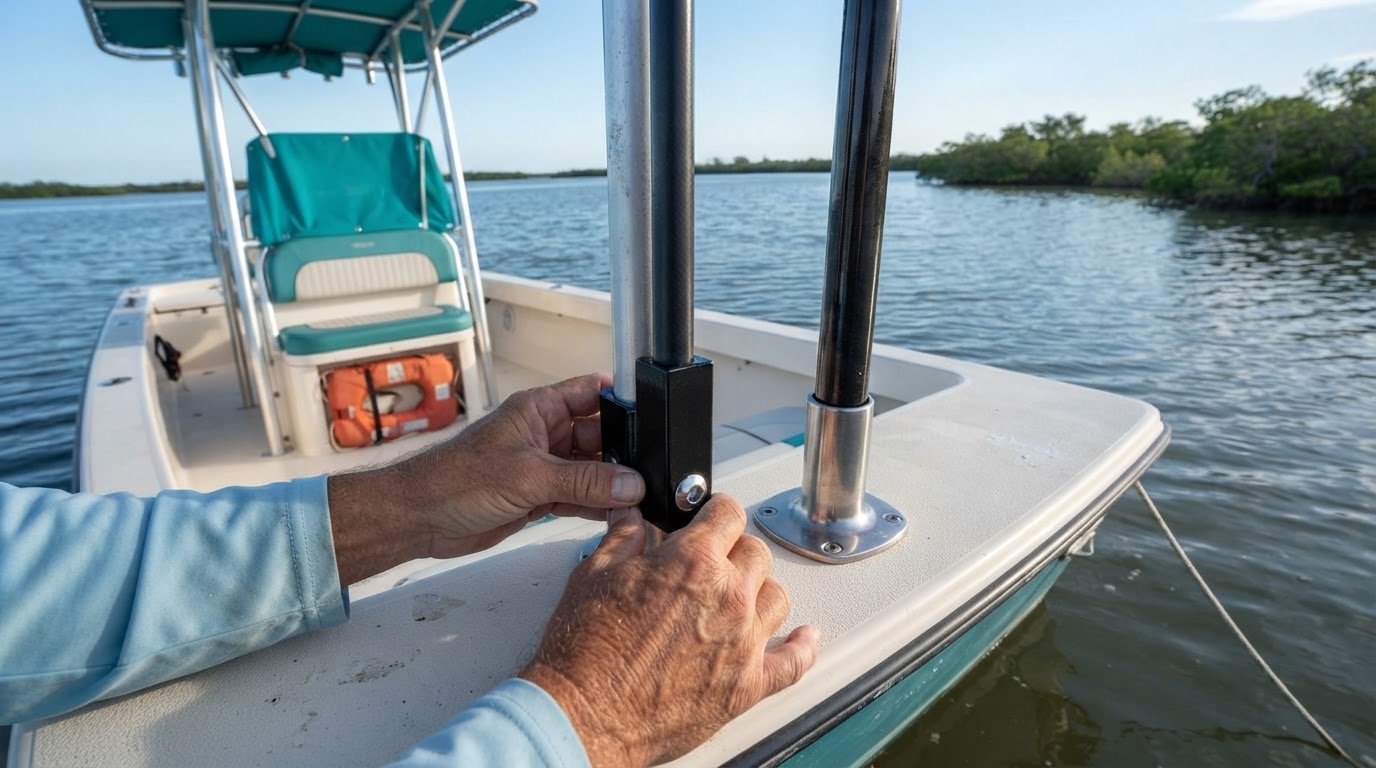
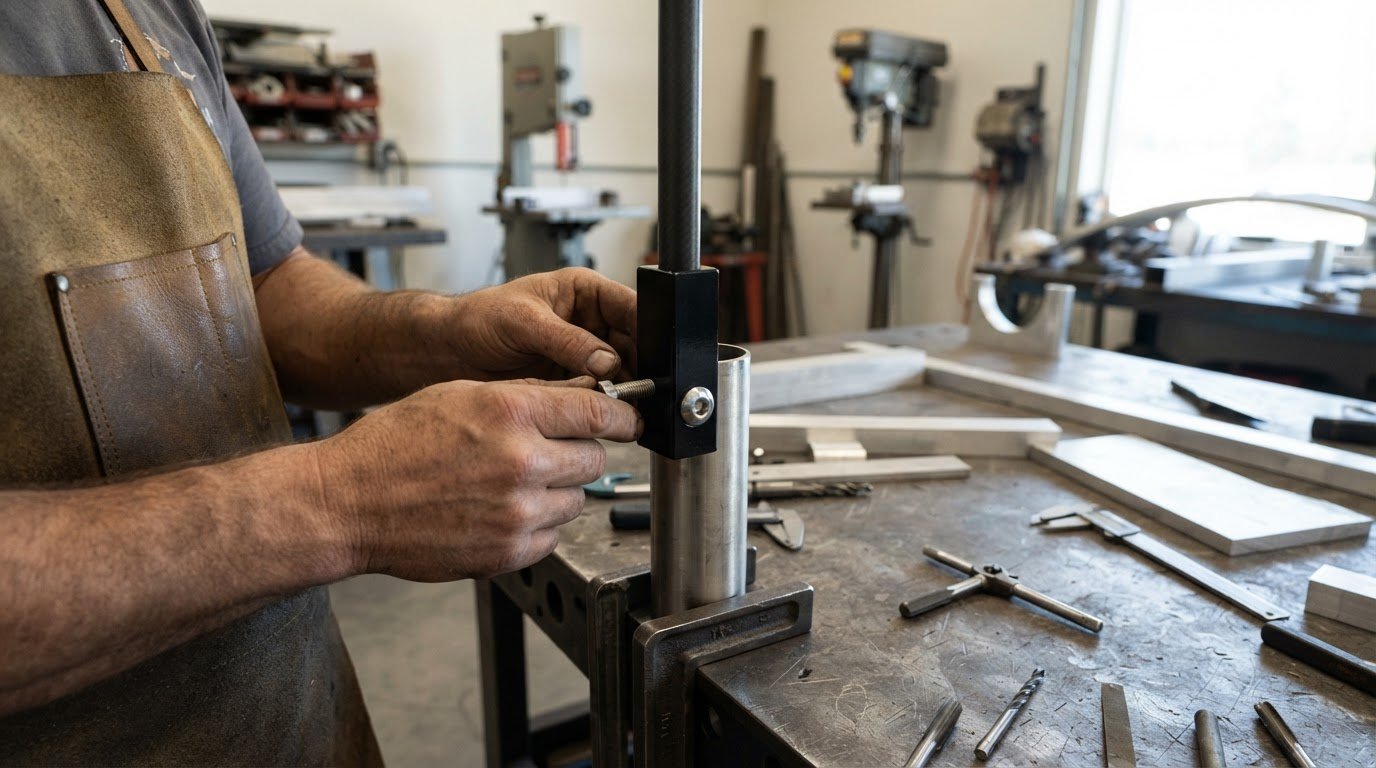
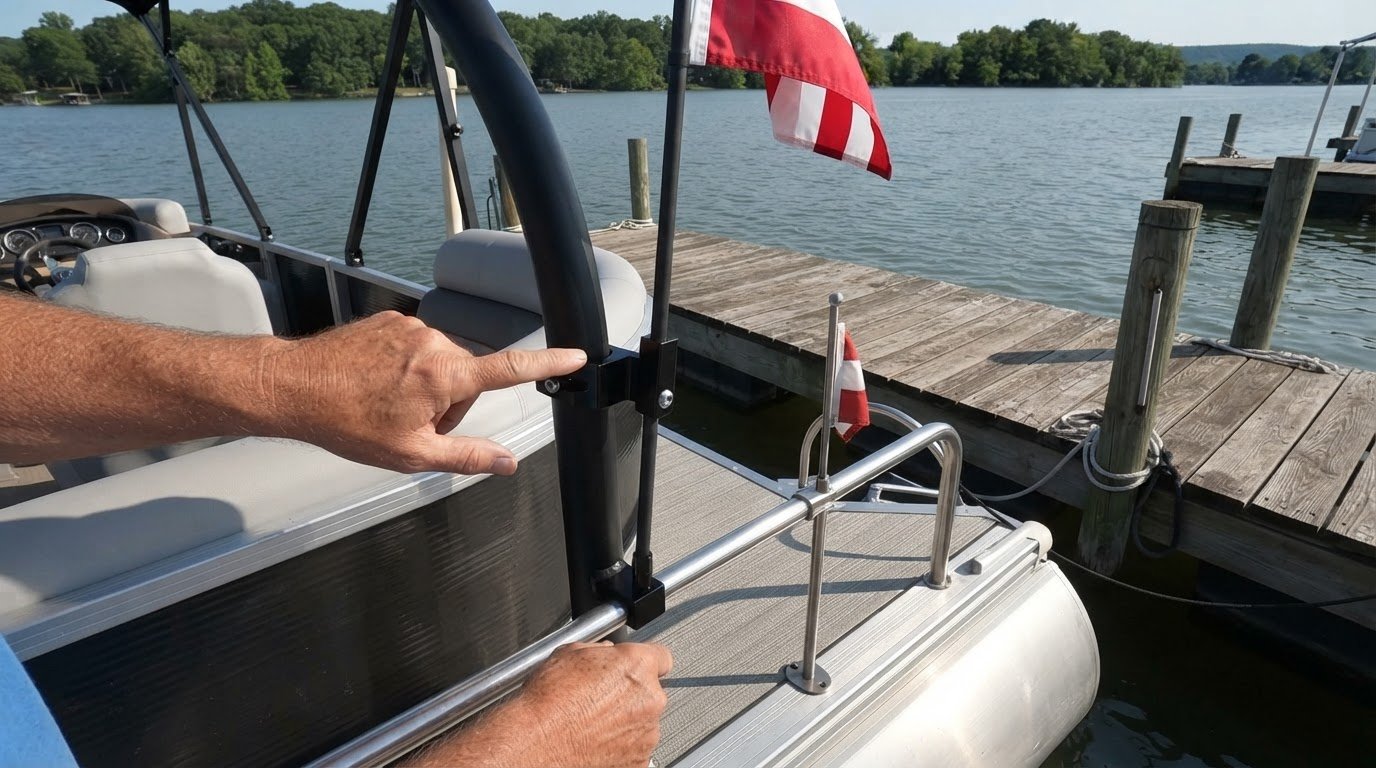
Tower Flags makes custom boat flag brackets and poles to match a boat tower’s exact specifications. If your upgrade plans include flying a flag, its Flag Pole Brackets, Flag Poles, and Flags offer a practical way to add that finishing touch. The brackets and poles are made to order using a high-strength carbon fiber composite, and their threaded design lets the poles screw directly into the brackets for quick installation and removal.
This is a natural next step once comfort and maintenance upgrades are covered and you want to personalize your boat without losing sight of function. A custom-fit pole and bracket, paired with a flag, can complete the display while suiting your vessel’s layout.
For flag display options for your boat, contact Tower Flags.
Make your next upgrade count
Before choosing the best boat upgrades for under $500, decide what you want to improve on your next outing. A focused plan helps keep a small project from becoming a collection of disconnected purchases. Think about how the change will fit your boat’s layout, daily use, and longer-term plans. You can also sequence improvements over time, starting with the one that matters most to you.
Personal touches can make a vessel feel more complete without competing with practical improvements. If displaying a flag is part of your plans, consider how its placement will suit the boat and the way you use it. A clear purpose makes it easier to choose additions that feel intentional rather than simply filling available space.
For a flag display that fits your plans, contact Tower Flags. Choose your next project with care, and make each change earn its place aboard.
Frequently Asked Questions
What are the best boat upgrades under $500 for safety, comfort, and performance?
The best boat upgrades for under $500 address a specific need without obstructing safe movement aboard. Keep safety equipment easy to reach, improve footing where the deck is slippery, and add compact storage to keep loose gear contained. For performance, target an existing handling issue rather than adding equipment without a clear purpose. Choose an upgrade that suits the boat’s layout and your regular activities.
Comments