

Marine Flag Poles: Engineering for Durability and High-Speed Performance
At 40 miles per hour, the wind resistance on a standard boat flag creates an immense amount of leverage against its mounting point. Most generic hardware simply wasn't designed to survive these physical forces. You've likely experienced the frustration of a snapped pole or a mount that rattles loose after a single season on the water. It's a common problem for boaters who value performance but find themselves stuck with generic marine flag poles that fail the moment the throttle is opened up.
We understand that a high-end boat deserves hardware built with the same level of engineering integrity as the vessel itself. This article explains why precision-engineered hardware is a necessity for anyone operating at high speeds and how to choose equipment that withstands the harshest saltwater environments. We will examine the mechanical advantages of custom-fit brackets, the importance of material selection in preventing corrosion, and the engineering required to keep your flag vertical while you are cruising at full speed.
Table of Contents
What defines a true Marine Flag Pole?
A true marine flag pole is a specialized vertical mast engineered to handle the unique aerodynamic and hydrodynamic stresses of the open water. While many retailers sell decorative "harbor" poles intended for low-speed idling or stationary display, these are vastly different from "performance" poles. A performance pole must survive high velocity wind and constant hull vibration without bending or shearing. Standard residential hardware fails almost immediately in these settings because the materials lack the tensile strength to resist the leverage created by a flapping flag at speed. Understanding the basics of flagpole design and construction is helpful, but marine applications require a much higher safety factor and specialized mounting brackets to maintain system integrity.
The Physics of Flags at Sea
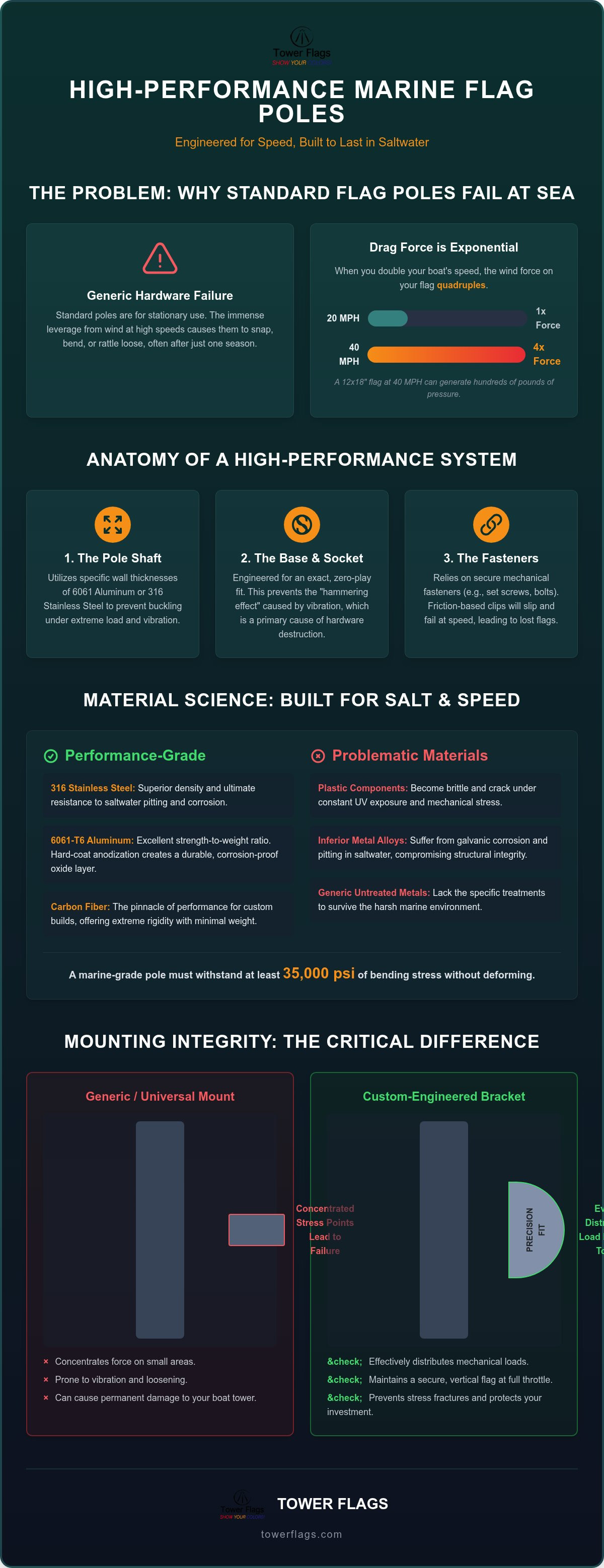
Drag force isn't linear; it's exponential. When you double your boat speed, the drag force on your flag quadruples. A standard 12x18 inch flag might seem small, but at 40 mph, it acts like a high-tension sail. This creates hundreds of pounds of pressure concentrated at the mounting point. Without proper vibration dampening, these forces lead to rapid metal fatigue. High-quality marine flag poles are designed to absorb these shocks through material density and precise fitment rather than snapping under the strain.
Anatomy of a High-Performance Flag Pole
The construction of a professional-grade pole focuses on three critical areas to prevent mechanical failure during high-speed operation:
The Pole Shaft: High-performance marine flag poles utilize specific wall thicknesses, often using 6061 aluminum or 316 stainless steel, to prevent buckling under load.
The Base and Socket: This is where the most common failures occur. If the fit between the pole and the bracket isn't exact, the resulting "play" causes a hammering effect that eventually destroys the hardware.
Finials and Clips: These components must be secured with mechanical fasteners. Friction-based clips often slip, leading to the loss of the flag even if the pole remains secure.
Every component in the system must work together. A strong pole is useless if the bracket cannot distribute the load across the boat tower. We focus on this total system integrity to ensure that your equipment stays vertical and secure, regardless of how hard you push the throttle.
Material Science: Engineering for Salt and Speed
Material choice for marine flag poles isn't just about aesthetics. It's about engineering a system that survives the harsh chemistry of the ocean. Type 316 stainless steel and anodized aluminum are the primary contenders for this environment. Stainless steel offers superior density and resistance to pitting, while 6061-T6 aluminum provides a high strength-to-weight ratio. For those seeking the pinnacle of performance, carbon fiber is becoming more common on custom builds because it provides extreme rigidity without the mass. True marine-grade components must address more than just surface rust; they have to combat galvanic corrosion and UV degradation simultaneously.
Corrosion Resistance and Longevity
Saltwater acts as an electrolyte, facilitating galvanic corrosion between dissimilar metals. Inferior alloys suffer from pitting, where small holes form in the metal and compromise its structural integrity. This is why we prioritize 6061-T6 aluminum with hard-coat anodization. This process creates a thick oxide layer that is much harder than the base metal. Plastic components are a liability in these conditions. They become brittle under constant UV exposure and crack under the mechanical stress of high-speed wind. Using metal-on-metal construction with proper isolation gaskets ensures the hardware lasts for seasons, not just months.
Strength-to-Weight Ratios
Reducing the mass of the hardware is critical for protecting your boat tower. Heavy, generic poles put unnecessary torque on the tower frame, especially when the boat is hitting waves at speed. Lightweight materials reduce this lever effect and minimize the potential for stress fractures in the tower itself. Material stiffness also dictates how much a flag will "whip" at high speeds. Excessive whip causes erratic vibration that can loosen mounting bolts over time. To maintain structural integrity at 40mph, a marine flag pole must possess a yield strength capable of withstanding at least 35,000 psi of bending stress without permanent deformation.
Maintaining these materials is straightforward but requires consistency. Regular fresh-water rinses after each outing prevent salt crystals from acting as abrasives on the finish. For boaters who demand hardware that matches the build quality of their vessel, our custom-engineered marine flag poles provide the durability and technical precision required for high-performance environments.
Generic vs. Custom-Fit Mounting Hardware
Choosing the right marine flag poles is only half the battle. If the mounting hardware isn't engineered for your specific boat tower, the entire system is compromised. Generic, "one-size-fits-all" brackets are the industry standard for mass-produced retailers, but they represent a fundamental engineering flaw. These universal clamps rely on friction and pressure to stay in place, which is a recipe for failure on a moving vessel. A secure mount must be as robust as the pole it supports to ensure total system integrity.
The Problem with Universal Rail Mounts
Most universal mounts utilize a simple clamping mechanism designed to fit a wide range of tube diameters. This results in small contact patches, creating a phenomenon known as point-loading. Instead of distributing the weight of the flag across the tower, the bracket focuses all the torque on a tiny area. This often leads to dents in aluminum towers or stress cracks in fiberglass gelcoats. Boaters often try to fix this with rubber shims. While shims might protect the surface temporarily, they're unreliable. Rubber compresses over time and degrades under UV exposure, leading to vibration-induced loosening. This is the primary reason flag poles are lost at high speeds.
The Precision Engineering Advantage
We take a different approach by utilizing CNC machining to create brackets that match exact tower specifications. For example, a bracket designed for Malibu G3 towers will have a bore diameter that fits the tube perfectly with zero tolerance for movement. This precision fitment ensures that the load is distributed evenly around the entire circumference of the tower rail, preventing permanent damage to your boat's finish.
Custom-fit hardware provides several mechanical and aesthetic benefits:
Surface Protection: Because the fit is exact, there is no metal-on-metal rubbing. This prevents the unsightly scratches and gouges often found on powder-coated towers after using generic clamps.
Integrated Security: Precision mounts include integrated locking mechanisms. These features prevent the pole from vibrating out of the socket and act as a deterrent against accidental loss.
Aesthetic Integration: High-end boats don't look right with bulky, mismatched universal hardware. Custom-engineered brackets are finished to match factory hardware, creating a seamless, integrated look.
Using high-quality marine flag poles with custom-fit brackets eliminates the constant need to retighten bolts. It provides the peace of mind that your equipment is a permanent, secure addition to your vessel rather than a temporary accessory prone to failure. By matching the bracket to the specific geometry of your tower, you ensure that the physics of high-speed boating work with your hardware, not against it.
Selection Guide: Matching the Pole to Your Vessel
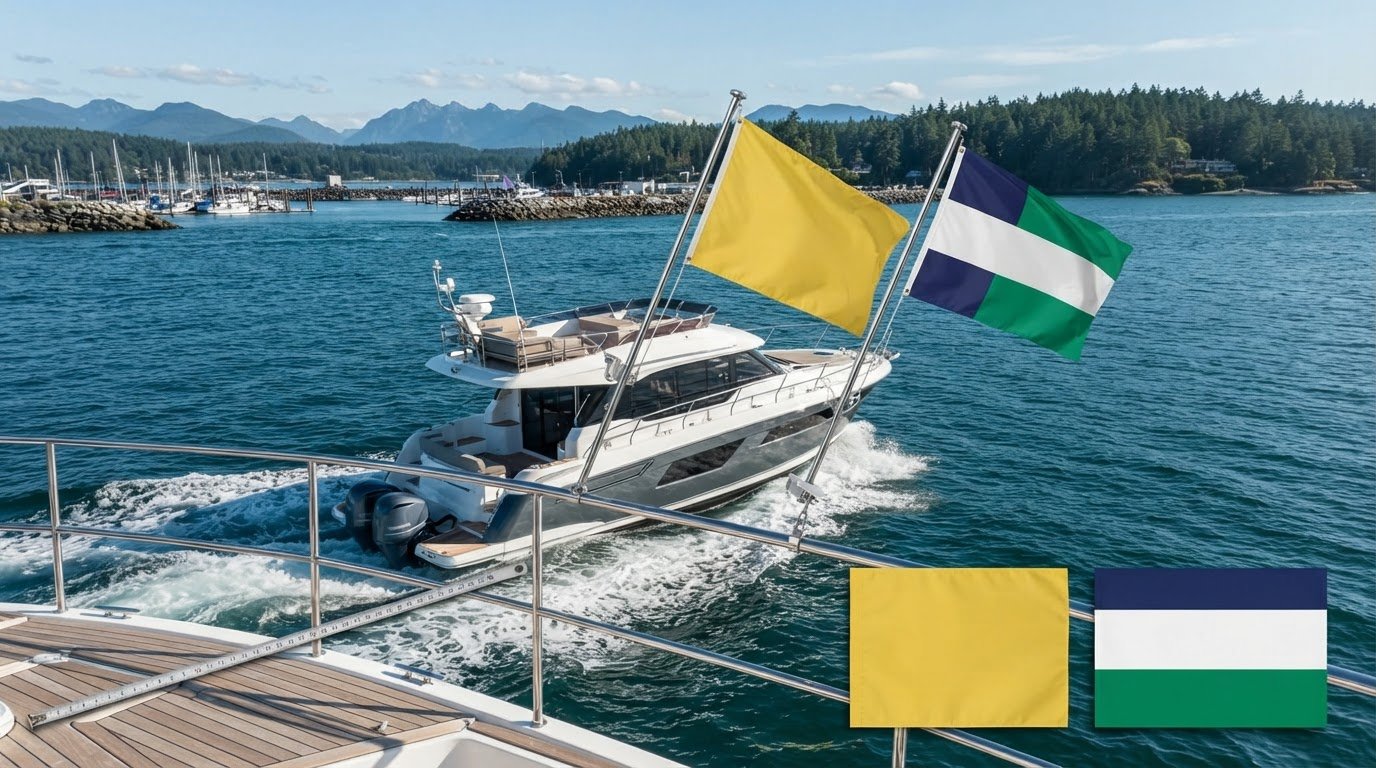
Selecting the right hardware requires an honest assessment of your boating habits. A pontoon boat primarily used for slow-speed cruising has vastly different requirements than a center console or a wakeboard boat. While aesthetic appeal matters, the mounting location and cruising speed are the primary drivers of mechanical success. Choosing the wrong marine flag poles for your specific vessel type often leads to hardware failure or damage to the boat's structure.
Mounting locations generally fall into three categories: tower, rail, or gunwale. Tower mounts provide the highest visibility and keep the flag clear of the deck, but they demand the most precise fitment. Rail mounts are common on pontoons and older cruisers, though they are prone to slipping if not properly machined. Gunwale mounts are sturdy but often place the flag in a position where it's easily obstructed by passengers or gear. For safety and visibility, most maritime guidelines suggest a flag size proportional to the vessel, typically one inch of flag length per foot of boat length.
Wakeboard Tower Specific Considerations
Wakeboard towers present unique challenges for flag placement. We recommend mounting the pole above the bimini top to ensure maximum visibility and to prevent the flag from tangling in the canvas. This position also keeps the hardware clear of the tow line, which is critical for the safety of both the rider and the equipment. If you frequently fold your tower for garage storage or bridge clearance, look for hardware with quick-release features. These designs allow you to remove the pole in seconds without tools, preserving the integrity of the mount while providing the convenience of easy storage.
High-Speed Performance Ratings
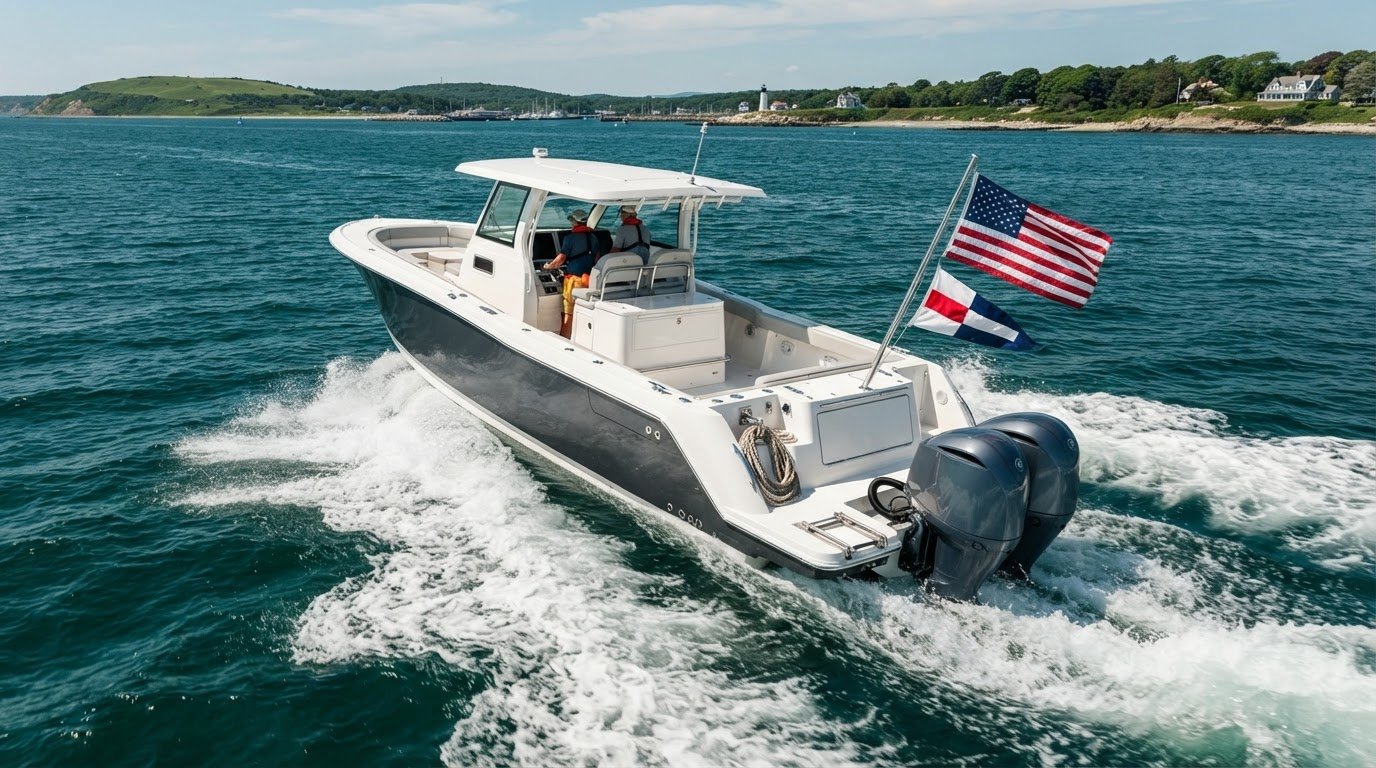
It's vital to differentiate between stationary display poles and those rated for high-speed performance. Many marine flag poles sold in big-box stores are only intended for use at anchor or at idle speeds. When you're operating at 30 or 40 mph, the physical forces change completely. Shorter poles are generally the safer choice for high-performance vessels because they minimize the mechanical advantage the wind has over the mounting bracket. Increasing the length of the pole significantly multiplies the leverage stress exerted on the mounting base during high-speed maneuvers. By keeping the pole height proportional to your cruising speed, you ensure the system remains stable even in choppy conditions.
If you're ready to upgrade your vessel with hardware that won't let you down at full throttle, explore our selection of high-performance marine flag poles designed specifically for the modern boater.
Tower Flags: Precision-Engineered Marine Solutions
The Tower Flags philosophy centers on the rejection of generic, "one-size-fits-all" hardware. We believe that a high-performance vessel deserves components designed with the same technical precision as its engine or hull. Our approach combines expert mechanical design with custom fabrication to solve the common frustrations boaters face with mass-produced alternatives. While imported hardware often relies on thin-walled tubing and universal clamps, our American-made marine flag poles and brackets are built to withstand the specific aerodynamic loads of high-speed boating.
Operating from our specialized facility, we prioritize structural integrity and functional elegance. Every product we release is a direct response to a gap in the market where generic accessories have failed. By focusing on the fine details of fit and finish, we ensure that our hardware doesn't just stay secure; it complements the aesthetic of a high-end boat. Choosing our hardware means investing in a solution engineered for longevity rather than a temporary fix that requires constant maintenance.
Our Manufacturing Process
Our production cycle begins with precise CAD design tailored to the specific geometries of modern boat towers. We don't guess at fitment. Instead, we utilize exact measurements to ensure our brackets provide a 360-degree contact patch on the tower rail. This eliminates the vibration and point-loading issues that destroy gelcoats and powder finishes. Each component is machined from high-grade 6061-T6 aluminum and undergoes a rigorous quality control process before leaving our facility. We test our marine flag poles against extreme environmental stressors to guarantee they remain vertical and stable in the face of constant saltwater spray and high-velocity wind.
The Customer Experience
We provide more than just hardware; we offer the technical expertise required to find the perfect fit for your specific vessel. Our team understands the nuances of different tower designs and can guide you toward the bracket and pole combination that suits your cruising habits. Installation is designed to be straightforward and non-destructive. Our guides lead you through a secure mounting process that doesn't require permanent modifications to your boat. This commitment to the user experience ensures that you can spend less time adjusting hardware and more time enjoying the water with total confidence in your equipment.
If you're tired of hardware that rattles, slips, or snaps, it's time to upgrade to a system built by specialists who understand the physics of the marine environment. Browse our custom marine flag poles and brackets to find the precision-engineered solution your boat deserves.
Elevate Your Boating Experience with Precision Hardware
High-speed boating demands more than just a decorative mast. We've explored how specialized materials like 6061-T6 aluminum and 316 stainless steel prevent the pitting and fatigue common in saltwater environments. You now understand that custom-fit brackets are the only way to protect your boat's finish while ensuring your marine flag poles stay vertical at 40 mph. Generic mounts often lead to frustration, damage, and lost equipment. Precision engineering provides the only reliable antidote to these common mechanical failures.
Our hardware is custom-engineered for specific boat towers and has been rigorously high-speed performance tested. We take immense pride in every component we produce, all of which are proudly manufactured in the USA. By choosing a system designed for your vessel's unique geometry, you eliminate the mechanical stressors that plague mass-produced imports. Our hardware doesn't just stay secure; it integrates seamlessly with your boat tower. Secure your flag with a custom Tower Flags mounting solution and enjoy the relief of professional-grade craftsmanship. Set your course with confidence, knowing your equipment is built to handle the open water as well as you do.
Frequently Asked Questions
Can I leave my flag pole up while trailering my boat?
We don't recommend leaving your flag up while trailering your boat. Highway speeds often reach 70 mph or more, which far exceeds the aerodynamic design limits of most marine hardware. The turbulent wind behind a tow vehicle creates erratic forces that can lead to metal fatigue or shredded fabric. It's best to use a quick-release system to remove the pole and flag before transport to ensure the longevity of your equipment.
What is the best material for a saltwater flag pole?
Hard-coat anodized 6061-T6 aluminum and 316 stainless steel are the best materials for saltwater environments. These specific alloys are engineered to resist the aggressive pitting and galvanic corrosion that typically destroy generic hardware. While stainless steel offers immense density, our anodized aluminum provides an exceptional strength-to-weight ratio that reduces the total load on your boat tower. Both materials ensure your hardware remains functional and aesthetically pleasing for many seasons.
How do I know what size bracket I need for my wakeboard tower?
You must measure the exact outside diameter of your tower tubing using a caliper. Common sizes for towers vary significantly, often ranging from 1.9 inches to 3 inches. Because we specialize in custom-engineered marine flag poles, providing an exact measurement ensures a 360-degree contact patch without the need for unreliable shims. This precision fitment prevents the bracket from slipping or rotating when the boat is in motion.
Are these flag poles rated for speeds over 40 mph?
Yes, our performance-rated marine flag poles are engineered to remain stable at speeds exceeding 40 mph. We design the mounting brackets and pole shafts to handle the exponential increase in drag force that occurs at high velocity. Standard decorative poles will bend or snap under these conditions, but our precision-built systems maintain their structural integrity during full-throttle operation. This gives you the peace of mind to cruise without constantly checking your hardware.
Will a custom flag bracket scratch my boat tower powder coating?
A precision-fit bracket won't scratch your powder coating because it eliminates the movement that causes friction. Scratches usually occur when generic, loose-fitting clamps vibrate against the tower surface. By utilizing CNC machining for an exact fit, our brackets distribute the load evenly and stay locked in place. This preserves your boat's aesthetic finish and prevents the unsightly gouges associated with "one-size-fits-all" mounting solutions often found in big-box retailers.
What size flag is recommended for a 4-foot marine pole?
A 2x3 foot flag is the standard recommendation for a 4-foot pole. This sizing provides a balanced aesthetic and ensures the flag doesn't create excessive leverage stress on the mounting base. Larger flags act like sails and can exert dangerous levels of force on your hardware when you're cruising at higher speeds. Sticking to this ratio maintains the mechanical safety of the entire system while providing excellent visibility on the water.
Do I need a special tool to install a Tower Flags bracket?
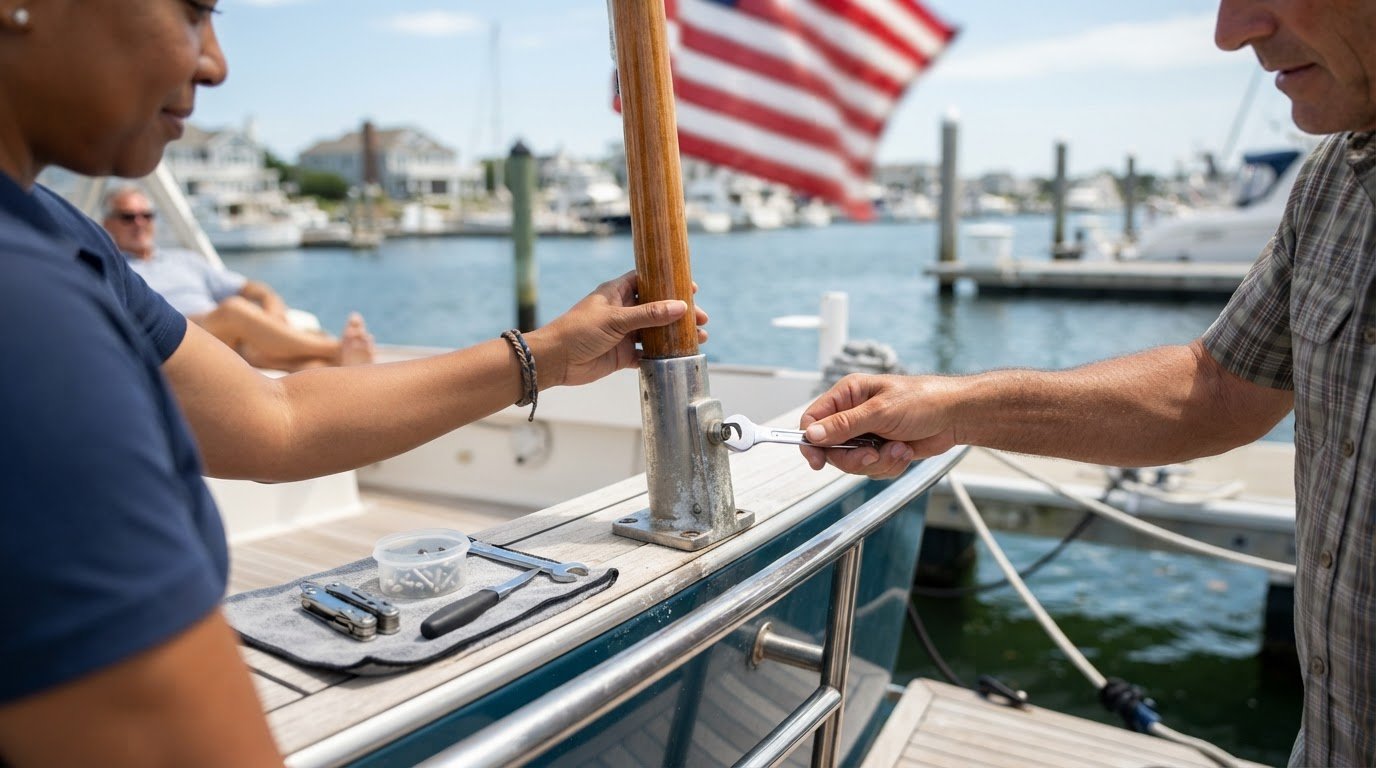
No specialized mechanical tools are required for the installation of our brackets. Most setups require only a standard set of hex keys or a basic wrench. We prioritize a streamlined design that allows for easy, non-destructive installation, so you can secure your hardware in minutes. You won't need professional assistance or permanent modifications to your vessel to achieve a secure, factory-grade fit that stays tight even in rough conditions.
Can I mount multiple flags on one marine pole?
It's possible, but we don't recommend it for high-speed use. Flying multiple flags significantly increases the total surface area and the resulting drag force on the pole and bracket. If you're idling or at anchor, multiple flags are fine for display. However, for performance boating, a single flag ensures the mechanical safety of the system. Excessive drag can cause even the strongest pole to flex beyond its intended yield strength at full throttle.
Comments